
Belonging Matters: Aligning Systems, Data, and Student Voice for Impact
Published Jun 17, 2026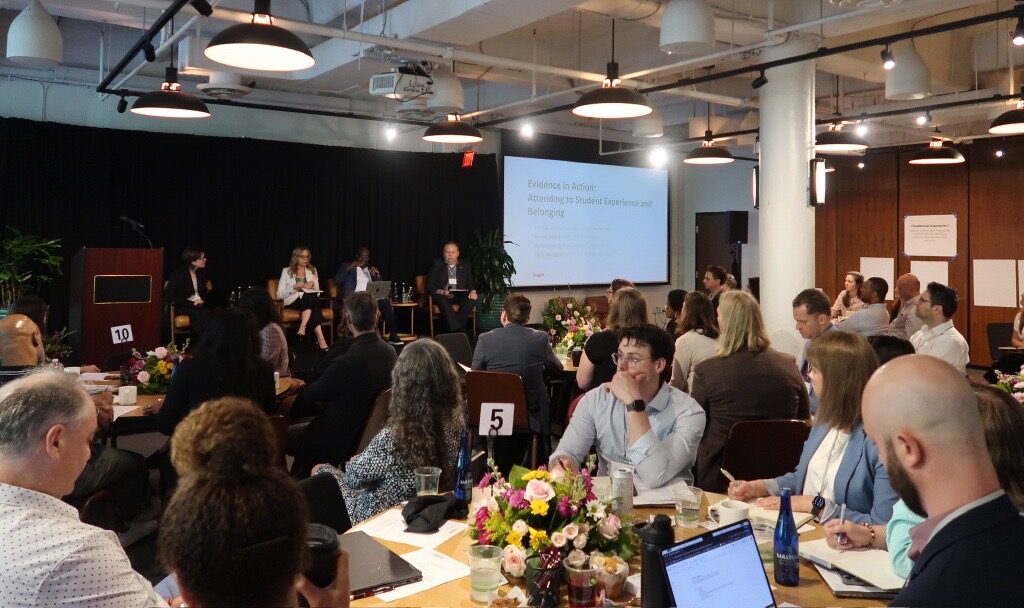
Researchers, practitioners, higher education leaders, and students gathered in Washington, D.C. on May 28 for Charting the Path Forward: Advancing Student Experience and Belonging, an event to explore how institutions and policymakers can sustain and scale evidence-based efforts that help all students feel valued, supported,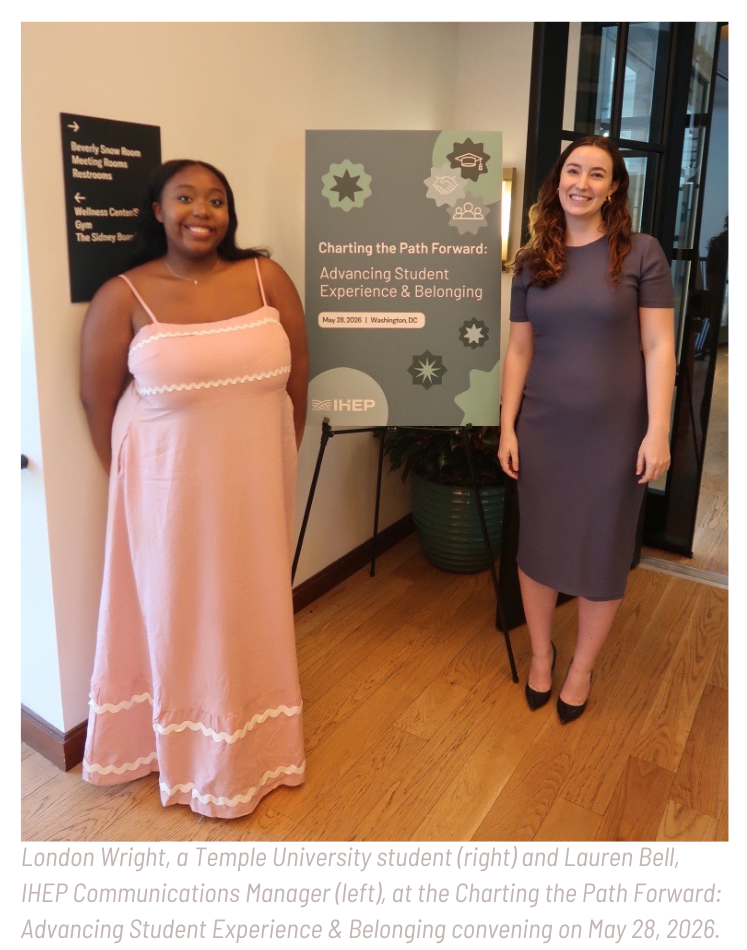 and connected throughout their postsecondary journeys.
London Wright, a first-year communications student at Temple University, opened the event by sharing how she overcame challenges with adjusting to college life. Wright described feeling isolated and questioning whether she belonged at Temple or in her chosen major. A supportive professor helped her reframe those doubts. “She reassured me that what I was experiencing was normal and that struggling to adjust did not mean I did not belong,” said Wright.
Her story reinforced a recurrent theme of the day: belonging matters, but it does not happen by accident.
Cultivate Belonging Intentionally
While many colleges and universities aspire to create welcoming environments, students do not automatically experience connection and support simply because resources exist. Instead, a sense of belonging must be cultivated through the relationships, practices, policies, and environments students encounter throughout their educational journeys. Event participants emphasized that belonging requires intentional action.
Baruti Kopano, Professor of Multiplatform Production at Morgan State University, shared the importance of avoiding assumptions, even at institutions like HBCUs with long histories of serving students who have often been excluded elsewhere. “I have learned to never make assumptions about how to make every student feel like they belong,” Kopano said. “It has to be very intentional.”
Institutions that actively engage K–12 schools, families, and local communities can send a clear message to students early on: they belong in higher education. Without this kind of deliberate engagement, opportunities often flow disproportionately to students who already feel connected and supported.
Participants also discussed how belonging extends beyond individual programs or interventions. Relationships with faculty and staff, peers, as well as classroom experiences, institutional messaging, and campus culture all shape whether students feel valued and supported.
Data Helps Turn Good Intentions Into Effective Practice
Measuring student experience is essential for continuous feedback and improvement. Tools such as Ascend can help institutions better understand how students experience their courses. The survey collects student feedback on factors such as belonging, engagement, and support, then provides instructors and administrators with insights to improve those experiences. As Dave Paunesku noted during the discussion, one of the program’s greatest strengths is the real-time, actionable feedback it provides. Instructors can respond to student needs while a course is still in progress. Measurement can help institutions identify gaps in student outcomes, monitor progress, and make more informed decisions about where to invest resources.
Across discussions, participants emphasized that strong data and student voice are both essential. Institutions are using data from students to guide continuous improvement.
Scaling Belonging Requires Systems-Level Change
During a panel discussion on sustaining and scaling student experience and belonging efforts, speakers explored how institutions can embed belonging into the structures, policies, and incentives that shape higher education.
Arlene Modeste Knowles, Associate Director of TEAM-UP Together at the American Institute of Physics emphasized that scaling a sense of belonging requires more than isolated initiatives. It demands transforming the systems and structures that shape students’ experiences. Drawing on the TEAM-UP project, she reflected on findings from The Time is Now, a landmark report that exposed persistent underrepresentation of African Americans in physics and astronomy and identified community-wide actions to address it. Her remarks emphasized that progress hinges on confronting systemic barriers across sectors and disciplines so that all students have opportunities to succeed, persist, and thrive.
Throughout the day, attendees highlighted a shared challenge: many evidence-based practices are successful on individual campuses, but achieving broad, sustainable impact requires strong alignment between institutional priorities, resources, incentives, and accountability structures.
Narrative and Student Voice Can Build Momentum for Change
The convening concluded with a keynote address from Principal Strategist & CEO of Well Positioned Ashley Burns Nascimento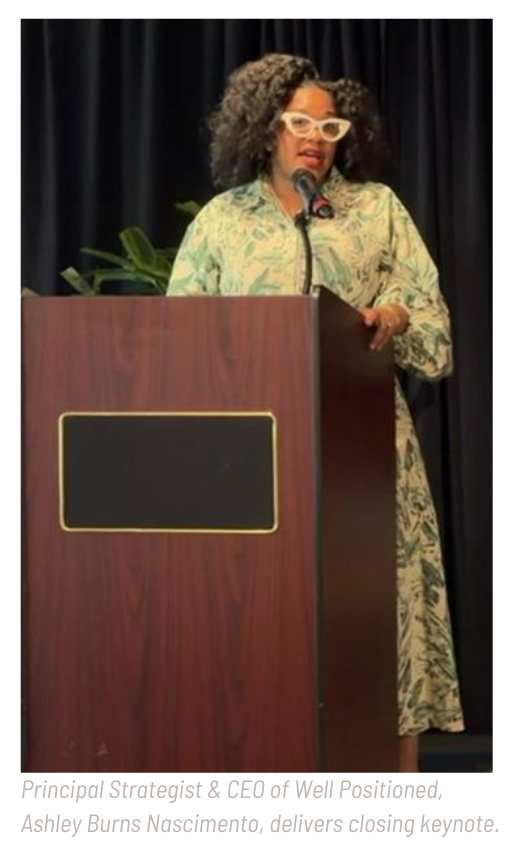 , who encouraged participants to think beyond implementation and consider the role narrative plays in advancing change. While evidence remains critical, data alone rarely shifts public understanding or inspires action. Stories help people connect with issues, understand why change matters, and envision what is possible.
As Burns Nascimento noted, “The higher education sector, and those most proximate, have developed strong internal language—but much of it does not travel to broader audiences.” She urged participants to carefully consider how to communicate the importance of student experience and belonging work in ways that can be understood beyond the higher education sector. Translating evidence and expertise into narratives that resonate broadly can scale support and build public will.
Advancing student experience and belonging requires both evidence and empathy. Data can help identify challenges and measure progress. Stories illustrate why the work matters and who benefits when institutions get it right.
This post captures a snapshot of insights from Charting the Path Forward: Advancing Student Experience and Belonging. IHEP will build on these conversations in a forthcoming resource about advancing student experience and belonging strategies across higher education.